Key Takeaways
- Field edges create 3x more severe weed pressure than the rest of the field, making targeted edge management one of the highest‑value agronomic actions.
- Blanket spraying wastes about 70% of contact chemistry and can lead to yield losses of up to 2.9 Bu/A in corn and nearly 1 Bu/A in soybeans compared to spraying only where weeds are present.
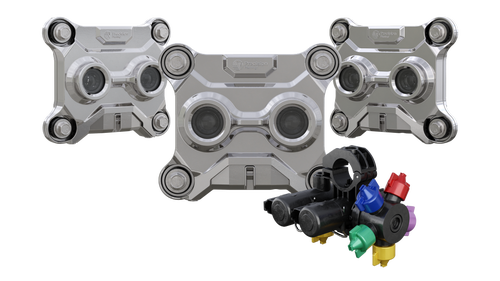
- Precision spraying systems like SmokeRow, SymphonyVision | Spot and SymphonyVision | Duo can deliver $40-$60/A in chemical savings while increasing weed control effectiveness.
Hear from sprayer experts Tristan Herrmann and Aaron Herrmann as they share how precision spraying can drastically improve your weed control program.
Weed severity across a field is rarely a mystery when growers have access to accurate measurements. Weed maps that combine weed size and weed density consistently reveal patterns that repeat year after year. Many fields show persistent hot zones where weeds previously broke through the canopy, dropped seed and built a long‑lasting seedbank. In some worst-case scenarios, up to 75% of a field’s area can fall into high‑severity weed pressure during difficult years, demonstrating how quickly problems compound when escapes go untreated.
Watch The Boundary
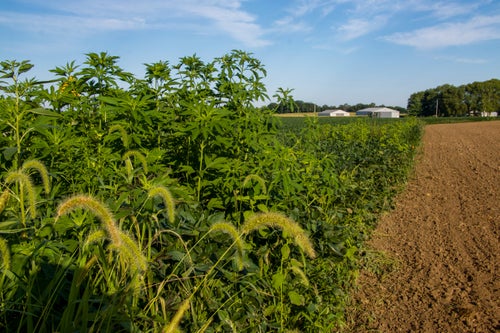
One of the largest contributors to ongoing weed pressure is the field boundary. Road ditches, waterways and neighboring fields frequently act as weed reservoirs that push inward. On average, weed severity is three times higher within the outer 30 feet of a field than in the interior. These edges are often major sources of seeds that later spread throughout end rows and across entire fields. Traditional fencerow nozzles and manual edge spraying have limitations, including burned grass edges, tediously slow labor and inaccessibility once the crop emerges.
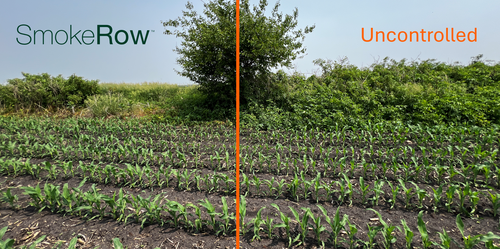
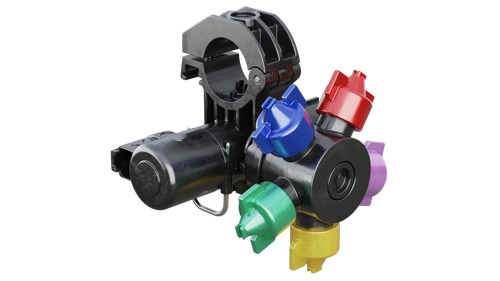
SmokeRow offers a practical solution by allowing growers to apply a selective grass‑safe mix via end-of-boom nozzles from a secondary tank while the main sprayer continues its normal application. This lets operators manage field edges during the pass they are already making, rather than returning with ATVs or sacrificing grass cover. Many growers report that this alone dramatically reduces recurring encroachment from field borders.
Targeted Spraying Delivers ROI
Beyond edges, other key factors show up clearly in weed maps. Poorly drained soils, areas with high organic matter and zones planted in less‑than‑ideal soil conditions often lose canopy early, creating pockets of heavy late‑season escapes. Equipment performance can also drive patterns. Traditional rate controllers frequently under‑apply chemical on the fast‑moving outside of the boom while turning, causing 30-40% rate reductions and creating weed density spikes up to three times higher than straight‑line sections. These hidden patterns highlight just how difficult consistent coverage is with conventional spraying systems.
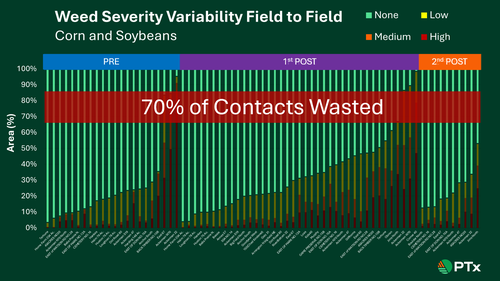
Blanket application makes these challenges worse by forcing a one‑size‑fits‑all program across acres that vary widely in weed severity. Many fields contain large areas with no weeds at all, yet growers still apply full contact chemistry on every acre. Our analysis shows that roughly 70% of contact passes are wasted on weed‑free areas. Trials also show that blanket spraying can reduce yield by 2.9 Bu/A in corn and nearly 1 Bu/A in soybeans compared to applying chemistry only where weeds exist.
Blanket contact application is costing us $8/A in yield loss per year, but more importantly, it’s wasting 70% of our contact chemical.
Aaron Herrmann, PTx Research Agronomist
SymphonyVision | Spot solves this by delivering full‑rate chemistry only in zones with high weed severity, reducing rate in lighter areas and shutting off entirely where weeds are absent. Farmers using this system have documented around $23/A in savings on each post pass, plus yield advantages from avoiding unnecessary blanket contact applications. Combined, typical savings exceed $50/A.
But What About Residuals?
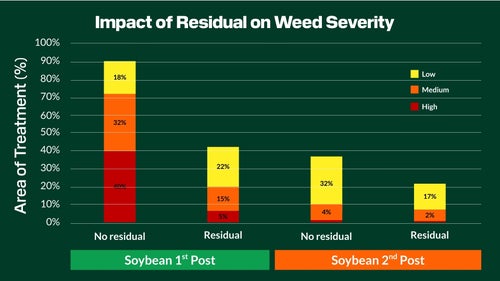
Residual herbicides remain essential for strong early‑season control. Using them can halve the total area of weeds and reduce high‑severity zones from 40% to just 5% when added to a spraying program. When residuals reduce the number and size of weeds, SymphonyVision | Spot becomes even more efficient because it needs to fire far fewer nozzles during the pass.
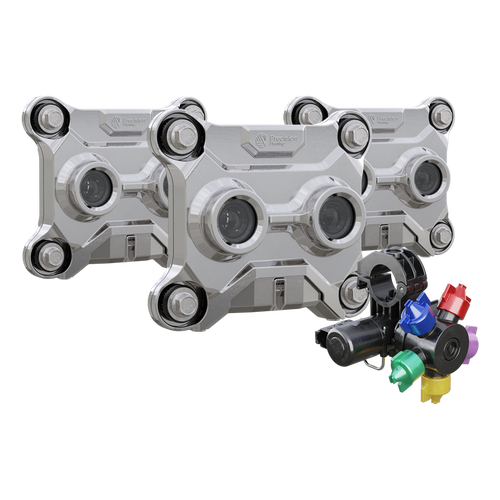
For growers wanting to broadcast residuals, fungicides or fertilizers while still spot spraying contacts at the same time, SymphonyVision | Duo provides a major shift in capability. Instead of splitting tanks and sacrificing capacity, Duo keeps all broadcast products in the main tank while injecting concentrated contact chemistries only when weeds are detected. This maintains full tank volume, eliminates unnecessary tender trips and allows both broadcast and targeted contact applications in one efficient pass.
Precision Spraying Pays Off
Across all the research, the message is clear: precision spraying backed by real‑time weed detection empowers farmers to understand pressure patterns, reduce chemical waste, improve control and protect long‑term yield potential. By managing weeds only where they exist and applying the right products at the right rates, growers can take a major step toward smarter, data‑driven spray operations that pay for themselves season after season.