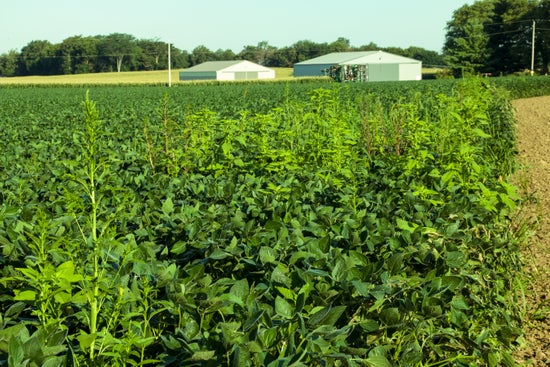
We know weeds are a constant threat to yield, profitability and long‑term soil health. But what is less obvious is how weeds travel across a field. Our research and hundreds of weed maps show that weed movement is rarely random. Certain patterns repeat year after year, and once you understand these patterns, you can take direct action to stop the spread.
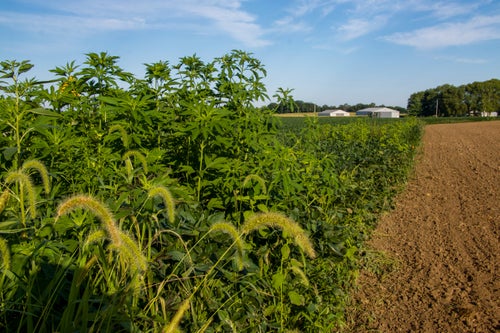
Heavy weed pressure hurts yield, weakens canopies, adds cost to your chemical program and builds seedbanks that become “gifts that keep on giving.” While field edges and crop stand issues are well‑known contributors to weed outbreaks, several less visible factors play major roles in how weeds move.
Let’s dig deeper into two of the biggest hidden drivers: water and equipment.
Weeds Spread by Water
Drainage issues might be one of the most overlooked causes of weed movement. When a field has low‑lying areas with poor drainage, weeds take advantage.
In fields observed through SymphonyVision mapping, poorly drained zones consistently show higher weed escapes because canopy loss happens early when soil stays saturated. Once the canopy breaks, weeds thrive and drop seed that flows with surface water.
Even when growers try to bury a seedbank with deep tillage, water can undo the work. Heavy rains move seeds back to the surface or transport them downslope into clean areas. Over time, these wet pockets become hotspots where weed pressure builds season after season.
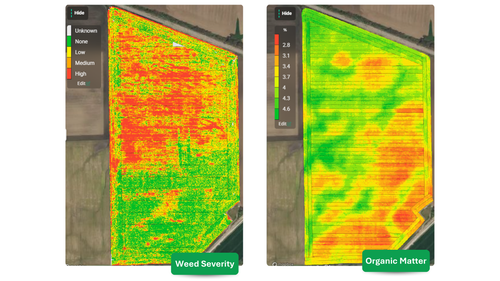
A real‑world case study highlights how high organic matter areas that hold moisture aligned perfectly with late‑season weed escapes. With drainage limiting canopy strength, weeds took over and produced seed that reshaped the next year's pressure map.
Drainage tile often gets discussed for yield improvement, but this data shows it also plays an essential role in weed management. When water stops pooling, canopies close earlier, reducing the space and time weeds need to establish themselves.
Weeds Spread by Equipment
Many weed problems are manmade. Equipment is one of the most powerful weed movers on a farm, often without the operator realizing it.
Contaminated Fertilizer and Spreaders
One grower discovered grid‑pattern weed outbreaks across a field. The pattern didn’t match natural weed behavior, because nature doesn't make straight lines. After comparing weed maps with fertilizer application history, it became clear that a potash spreader pass was to blame. Previously used for ryegrass, the spreader tank was not properly emptied and cleaned, leading to it inadvertently planting weeds across the field. This wasn’t a weed problem, it was an equipment hygiene problem.
How Combines Move Seed
Combines can be massive weed seed distributors. Seed from even a small patch can be carried hundreds of feet in both directions as the machine threshes, turns and unloads across a field. Our weed maps show how a single weed escape can become a long streak of infestations running right in line with harvest passes. Once that seed spreads, the weed problem becomes a multi‑year battle.
Addressing Equipment-Driven Spread
Farmers and custom applicators can limit equipment-driven weed movement by:
- Cleaning spreaders and other equipment when switching fields or products
- Avoiding harvest of known weed escapes until other areas are finished
- Using tools like Panorama and SymphonyVision weed maps to identify where equipment‑induced spread is occurring
- Spot spraying weed escapes before they mature
Equipment will always be part of the weed equation, but with the right tools and awareness, it doesn’t have to make problems worse.
Putting It All Together
Field edges, drainage, sprayer performance, weed escapes and equipment movement are the five biggest drivers of weed severity. With hundreds of fields analyzed, these factors repeatedly show up, shaping where weeds break through and seedbanks build.
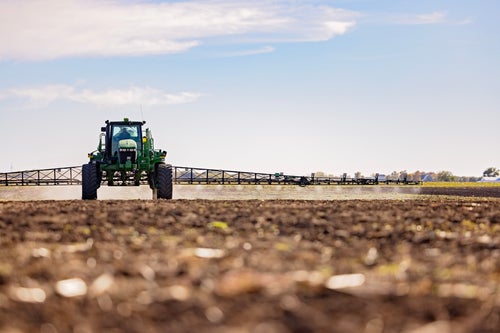
Sprayer technology from Precision Planting can help you confront these challenges:
- Panorama reveals where weeds originate and how they spread.
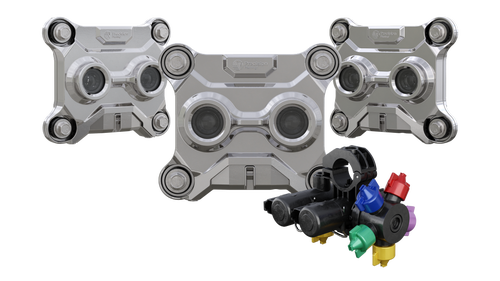
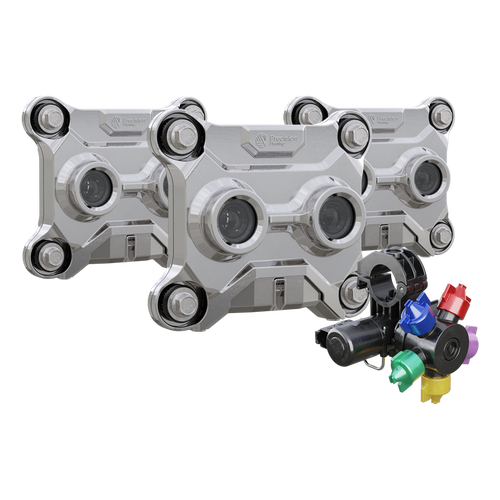
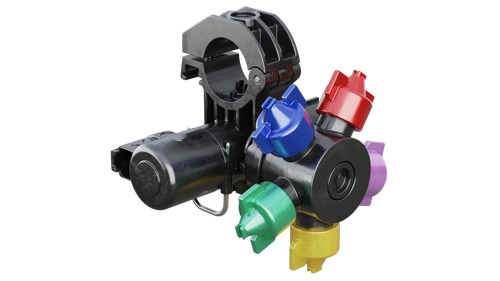
- SymphonyVision | Spot applies full rate only where weeds exist and prevents wasted chemical on clean acres.
- SymphonyVision | Duo lets farmers broadcast residuals while spot applying contacts in the same pass for maximum efficiency.
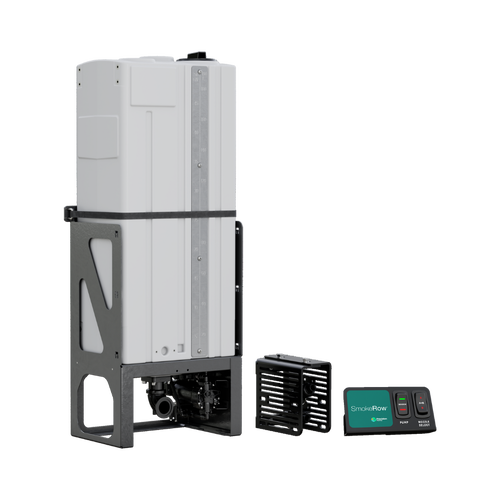
- SmokeRow provides a practical way to control field edges without damaging grass or requiring extra trips.
When you use all the data your farm generates, weed pressure stops being a mystery. You can see the story of how weeds move, what’s causing the severity and what actions will stop the spread. With the right tools and insights, you can regain control and protect your long‑term yield potential.