Key Takeaways
- Detect partial blockages and distribution variance before they cost you acres and inputs.
- Gain row-by-row level visibility into magnitude, uniformity and deviation to finetune drills, air seeders and striptill systems.
- Reduce overlap and improve rate accuracy with tower-by-tower electric metering and smarter swath control.
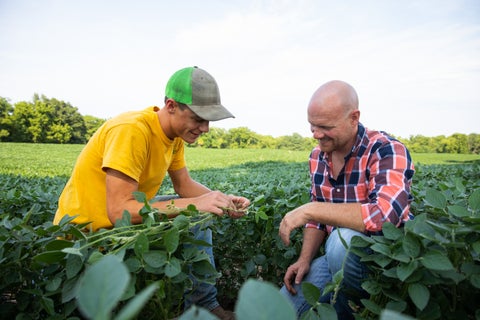
Region manager, Brent Horner, shares how granular application success hinges on one thing you can control right now: visibility. Many systems confirm that a drive is turning, but that does not guarantee that product is flowing to every opener or secondary. That gap creates costly surprises that do not show up until emergence or harvest. When you can measure actual flow and distribution, you can correct problems in real time and protect yield.
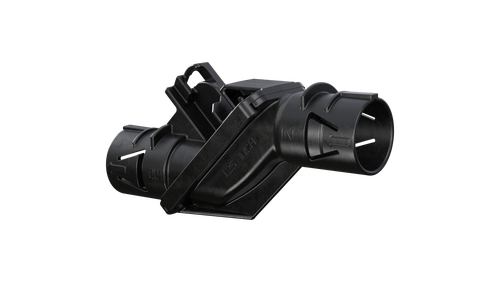
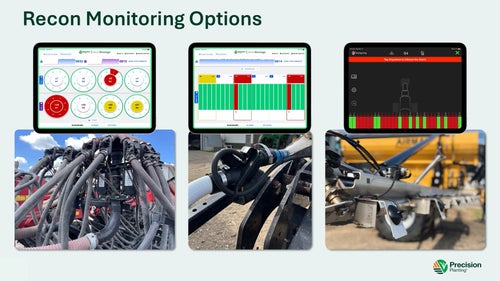
Modern acoustic and optical monitoring gives you that visibility. Acoustic sensors can identify a blocked run, detect section variance and track overall flow so you can stop, clear the issue and get back to work with confidence. Optical sensors paired with in-cab analytics deliver magnitude, uniformity and deviation maps for every row, revealing hidden rate problems and distribution inconsistencies across drills of all sizes.
If I can't see it, I can't solve the issue.
Brent Horner
Farmers often find partial blockages that flow or no-flow systems miss. Examples include large, single chunks of fertilizer that restrict the boot, even versus odd rows may show reduced magnitude due to a tank segment problem, or a seed tank could run empty while fertilizer continues to flow. With row-by-row level mapping from ReconBlockage, you can pinpoint where the issue started, refill or repair, and resume with minimal overlap or skips.
Beyond monitoring, integrated control unlocks additional efficiency. Converting ground drive to hydraulic drive brings faster, accurate rate changes from the cab, smoother prescription execution and precise swath control. Timing product start and stop automatically, rather than by guesswork, reduces headland waste and improves stand consistency.
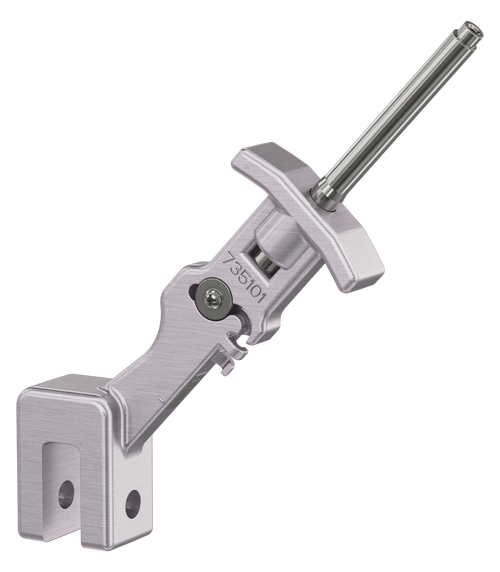
Downforce is another lever we can use to improve your yields. Using load cells for visibility confirms true ground contact so your drill maintains depth across variable conditions. With either automated rank control or row-by-row control on compatible drills with Clarity and SeederForce, you can be sure the gauge wheel load stays the same, reducing compaction under the gauge wheel and making it easier for your closing wheels to do their job.
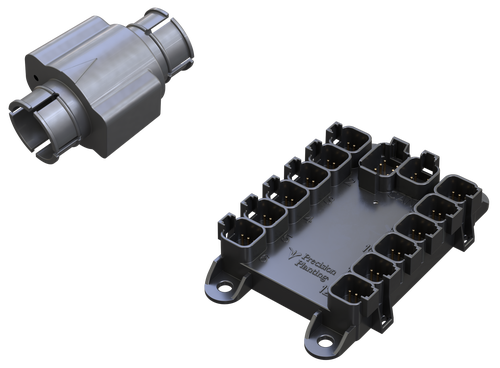
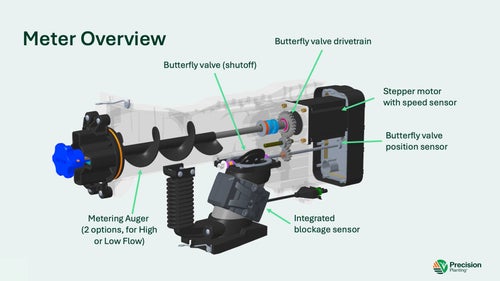
For even better control of air seeders and drills, a tower-by-tower electric meter concept is coming from Precision Planting in 2026. The new meters will reduce overlap, increase rate accuracy and enable primary blockage monitoring. Each tower can run its own rate and swath control, allowing turn compensation, section control at the tower level, and cleaner on/off timing across mixed hose lengths. The result is straighter coverage lines, fewer lodged patches from over application at headlands, and measurable savings in seed and fertilizer.
Why granular system technology matters for your acres ↓
- Catch blockages and flow variance early: Identify partial restrictions and uneven distribution before they rob stand and yield.
- Smarter prescriptions: Execute variable rate with responsive hydraulic control and smaller sections to cut overlap and input spend.
- Depth and emergence confidence: Monitor and automate downforce to maintain depth, protect the furrow and set up uniform emergence.
If your goal is to apply the right product at the right rate, place and time across every row, invest in tools that let you measure, monitor and control your granular system. The combination of real-time flow analytics, prescription-ready rate control, optimized swath control and informed downforce delivers in-field accuracy, reduces input costs and builds a more uniform, higher potential crop.